How B2B Platforms Automate Wholesale Order Processing
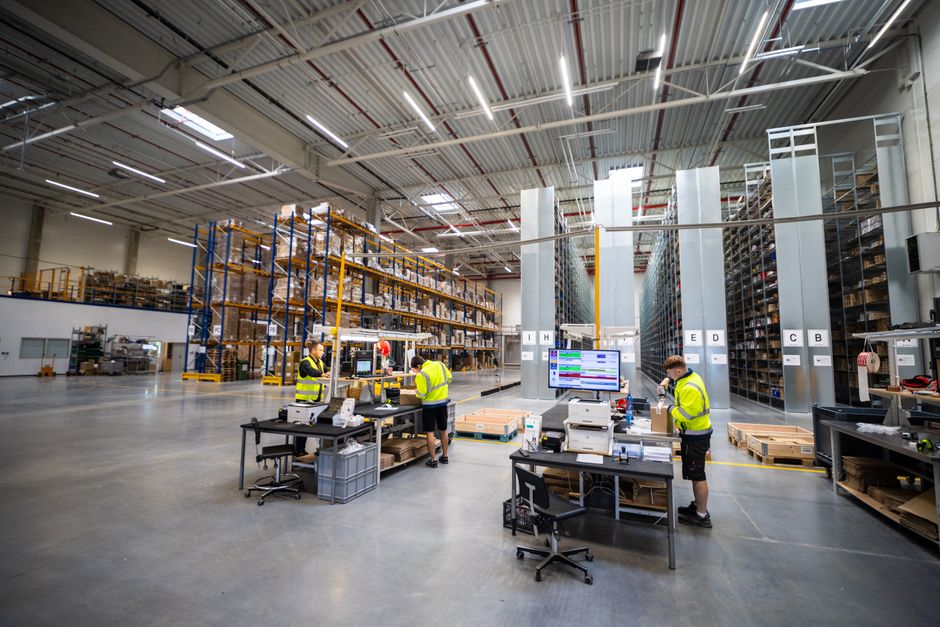
A B2B online ordering platform automates wholesale order processing by replacing manual email and phone orders with a self-service portal where buyers place orders directly. The platform captures order details, applies pricing tiers and minimums, checks inventory availability, and routes the order into your fulfillment system without requiring staff to re-enter data or confirm details by hand.
What Gets Automated in Order Processing
B2B platforms automate the entire order lifecycle. When a buyer logs in, they see your current inventory, net terms, and pricing tier. They build the order, the system applies minimum order quantities and payment terms, and the order goes straight into your warehouse management or ERP system. No one transcribes line items from an email or updates a spreadsheet.
The platform also automates order confirmation emails, invoice generation, and order status updates. Buyers receive tracking information without anyone sending it manually. Reorders pull from order history, so repeat buyers place orders in minutes.
Real-Time Inventory and Pricing Sync
Real-time inventory sync prevents overselling and eliminates the back-and-forth when an item is out of stock. The platform connects to your inventory system and updates stock levels as orders come in. Buyers see what is available now, not what was available when someone last updated a PDF catalog.
Pricing automation handles tiered pricing, volume discounts, and customer-specific pricing without manual calculation. The platform applies the correct price based on the buyer's account type, order volume, or contract terms. Sales reps do not need to quote prices or check spreadsheets.
Integration with ERP and Fulfillment Systems
B2B platforms integrate with ERP and warehouse management systems so orders flow directly into fulfillment. When a buyer submits an order, it appears in NetSuite, SAP, Shopify Plus B2B, Katana, Microsoft Dynamics 365, or QuickBooks Enterprise without manual entry. The integration syncs order details, customer information, and payment terms.
This eliminates duplicate data entry and the errors that come with it. Fulfillment teams pick, pack, and ship from the same system they use for other orders. Accounting receives accurate invoices without reconciling email threads.
Automated Credit Vetting and Net Terms
Platforms integrate with instant credit vetting services like Balance, Resolve, and TreviPay to automate net terms approval. When a new buyer requests net-30 or net-60 terms, the platform checks their credit in real time and approves or declines the request. Approved buyers place orders immediately. Declined buyers see alternative payment options.
This removes the manual credit check process and speeds up onboarding. Sales teams do not wait days for finance to review a new account. Buyers get an answer in seconds.
Order Tracking and Buyer Self-Service
Buyers track their orders through the platform without emailing or calling. They see order status, shipment tracking, and invoice history in their account. The platform sends automated updates when an order ships or when an invoice is due.
Self-service reduces the volume of order status inquiries. Customer service teams spend less time answering "where is my order" questions and more time handling issues that require judgment.
Reorder Automation and Order Templates
B2B platforms store order history so buyers reorder with a few clicks. They pull up a previous order, adjust quantities, and submit. The platform remembers SKU numbers, packaging preferences, and shipping addresses.
Some platforms offer automated reorder reminders based on purchase frequency. If a buyer orders every six weeks, the system sends a reminder at week five. This drives repeat orders without requiring a sales rep to follow up.
Reporting and Analytics Without Manual Tracking
Platforms generate reports on order volume, top products, buyer activity, and sales trends without pulling data from multiple systems. You see which buyers are ordering, which products are moving, and where revenue is coming from. Reports update in real time as orders come in.
This replaces manual reporting where someone exports data from email, accounting software, and spreadsheets to build a sales summary. The platform tracks everything in one place.
Setup and Launch Timeline
Most B2B portals launch within three to six weeks, depending on the complexity of your catalog and the number of integrations. The setup includes configuring pricing tiers, importing your product catalog, connecting to your ERP or inventory system, and testing the order flow with a few pilot buyers.
Companies like Get Wholesale Orders handle the technical buildout, including ERP integration and buyer portal configuration, so brands do not need internal development resources. They also manage ongoing buyer outreach and marketplace listings after launch.
When Automation Delivers the Most Value
Automation delivers the most value when order volume makes manual processing a bottleneck. If your team spends hours each day entering orders, checking inventory, or answering buyer questions, a B2B platform removes that work. It also helps when you have multiple pricing tiers, complex minimums, or frequent stockouts that require constant communication with buyers.
Brands expanding into new markets or adding buyers quickly benefit from automation because the platform scales without adding staff. Each new buyer uses the same self-service portal, and the system handles the increased order volume without slowing down.
What Stays Manual
Some tasks remain manual even with a B2B platform. Onboarding new buyers still requires verifying business details and setting account terms. Custom orders, special requests, and order modifications outside standard terms need human review. Relationship management, sales strategy, and product recommendations still depend on sales reps.
The platform automates the transactional work so your team can focus on the parts of wholesale that require judgment and relationship building.
Frequently asked questions
How long does it take to set up a B2B ordering platform?
Most B2B portals launch within three to six weeks, depending on catalog size and the number of system integrations. Setup includes product import, pricing configuration, and ERP connection.
What systems can a B2B platform integrate with?
B2B platforms integrate with ERP and warehouse management systems like NetSuite, SAP, Shopify Plus B2B, Katana, Microsoft Dynamics 365, and QuickBooks Enterprise. They also connect to credit vetting services like Balance, Resolve, and TreviPay.
Do buyers need training to use a B2B ordering platform?
Most buyers can place orders without training because the interface works like a standard online store. They log in, add products to a cart, and check out. Order history and reorder functions are self-explanatory.
Can a B2B platform handle custom pricing for different buyers?
Yes. B2B platforms apply customer-specific pricing, volume discounts, and tiered pricing automatically based on the buyer's account settings. Each buyer sees their own pricing when they log in.
What happens to orders placed outside business hours?
Orders placed outside business hours go directly into your fulfillment system and wait for processing. Buyers receive an order confirmation immediately, and fulfillment begins when your team is back online.