Using B2B Platforms for Buyer Acquisition & Lead Generation
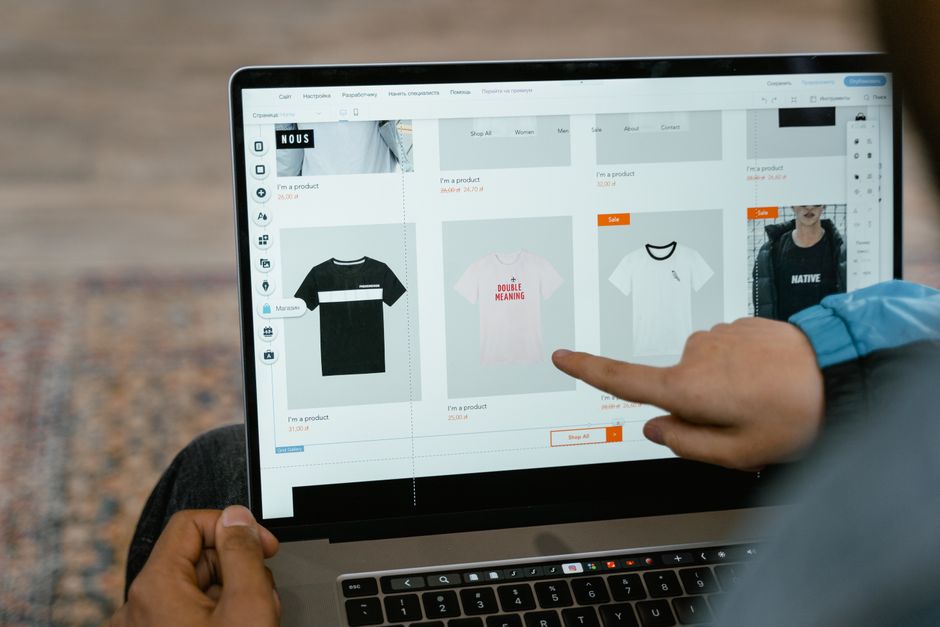
B2B online ordering platforms can help acquire new buyers and generate leads. The platform itself creates a professional storefront that appears in search results when buyers look for your product category, and it provides the infrastructure for running targeted campaigns, marketplace listings, and automated follow-up sequences that bring qualified buyers into your pipeline.
Most platforms support multiple acquisition channels at once. A wholesale portal can rank for category terms, serve as the landing page for paid ads, integrate with marketplaces like Faire and RangeMe, and connect to email and CRM tools that automate outreach to prospect lists. The result is a single system that handles discovery, qualification, and conversion instead of managing those steps separately.
How a B2B Platform Supports Lead Generation
B2B platforms generate leads by making your catalog visible and easy to order from. When a buyer finds your products through search, a marketplace, or an ad, the platform lets them browse pricing, set up an account, and place an order without waiting for a sales rep. That removes friction and turns interest into action faster.
The platform also captures buyer data. Every account signup, quote request, and abandoned cart creates a lead record you can follow up on. Platforms with built-in CRM features track which buyers viewed specific products, how often they return, and whether they completed checkout, so you know who to prioritize.
Some platforms include outreach tools directly. Email sequences can invite prospects to create accounts, remind them about items they viewed, or offer introductory discounts. Integrations with marketing automation tools let you run more complex campaigns, segment buyers by order history or location, and measure which messages drive the most signups.
SEO and Organic Discovery
A well-structured B2B platform improves organic visibility. Product pages with detailed descriptions, specifications, and images can rank for long-tail searches that buyers use when looking for suppliers. Category pages and landing pages targeting wholesale terms bring in traffic from buyers actively searching for new brands to carry.
Platforms that generate unique URLs for each product and category, include structured data markup, and load quickly perform better in search results. Buyers searching for terms like "organic snack wholesale supplier" or "handmade jewelry wholesale" may land directly on your catalog if the platform is optimized correctly.
Organic traffic from search tends to convert well because buyers arrive with purchase intent. They are already looking for products like yours, and a clear storefront with transparent pricing and terms makes it easy for them to move forward.
Paid Advertising and Landing Pages
B2B platforms work as landing pages for paid campaigns. Google Ads, LinkedIn Ads, and Facebook Ads can drive traffic directly to product pages or category collections, and the platform handles the conversion process from there. Buyers click an ad, see the full catalog with pricing, and can create an account and order immediately.
Using the platform as the landing page keeps the experience consistent. Buyers do not fill out a form and wait for a quote. They see the actual terms and products, which shortens the sales cycle and reduces the cost per acquisition.
Platforms with account-based features let you create custom landing pages for specific buyer segments. A campaign targeting grocery stores can link to a page showing relevant SKUs and case pricing, while a campaign for gift shops links to a different product mix. That level of targeting improves conversion rates and makes ad spend more efficient.
Marketplace Integration and Visibility
Many B2B platforms integrate with wholesale marketplaces like Faire, RangeMe, and Abound. Those marketplaces bring their own buyer traffic, and the integration syncs inventory, pricing, and orders between systems. A buyer who discovers your brand on Faire can place an order that flows directly into your platform and fulfillment workflow.
Marketplaces handle part of the acquisition work by promoting your products to their buyer base, running seasonal campaigns, and featuring new brands. The platform integration ensures that orders from those channels are processed the same way as direct orders, so you do not manage multiple systems manually.
Some platforms also support multi-storefront setups, where you run a private portal for existing customers and a public storefront for new buyer acquisition. The public storefront acts like a marketplace listing but lives on your own domain, giving you more control over branding and customer data.
Outreach Campaigns and Buyer Databases
B2B platforms with CRM and outreach features let you run email and phone campaigns to prospect lists. You can upload a list of retail buyers, send personalized invitations to view your catalog, and track who opens the email, clicks through, and creates an account. Follow-up sequences can be automated based on buyer behavior, so prospects who view products but do not order receive a reminder or an incentive.
Some service providers, like Get Wholesale Orders, combine platform setup with active buyer outreach. Get Wholesale Orders builds the B2B portal and then uses a database of over 140,000 verified retail buyers to run email, phone, and LinkedIn campaigns on behalf of the brand. That approach treats the platform as the close tool in a larger lead generation system, where the service provider handles prospecting and the platform handles conversion.
Outreach works best when the platform makes it easy for buyers to act. If a buyer receives a cold email and clicks through to a storefront that requires a phone call to see pricing, most will not follow through. A platform that shows pricing, terms, and a simple signup form converts more of the traffic that outreach generates.
Automated Follow-Up and Re-Engagement
B2B platforms can automate follow-up with buyers who showed interest but did not complete an order. Abandoned cart emails remind buyers about items left in their cart and can include an incentive to finish checkout. Account signup emails welcome new buyers and highlight bestsellers or current promotions. Re-engagement emails reach out to buyers who have not ordered in a set period and offer a reason to come back.
Those automated sequences keep your brand in front of buyers without manual effort. The platform tracks buyer activity and triggers the right message at the right time, which increases the likelihood that a lead converts into a customer.
Some platforms also support retargeting pixels, so buyers who visit your storefront but do not create an account can see ads later on other sites. That extends the reach of your acquisition efforts and brings buyers back when they are ready to order.
Measuring Lead Generation Performance
B2B platforms with analytics track where leads come from and how they convert. You can see how many visitors arrived from organic search, paid ads, email campaigns, or marketplaces, and how many of those visitors created accounts or placed orders. That data shows which channels generate the most qualified leads and where to focus acquisition budget.
Platforms that integrate with CRM tools provide a full view of the buyer journey, from first visit to repeat order. You can measure metrics like cost per lead, lead-to-customer conversion rate, and customer acquisition cost, and compare performance across channels.
Tracking also reveals where buyers drop off. If many visitors view products but few create accounts, the signup process may need simplification. If many buyers create accounts but do not order, pricing or terms may be the issue. The platform data helps identify and fix those bottlenecks.
When a Platform Alone Is Not Enough
A B2B platform creates the infrastructure for lead generation, but it does not replace active sales effort in most cases. The platform makes it easier for buyers to find you and order, but you still need to drive traffic through SEO, ads, content, or outreach. A platform that sits idle without promotion will not generate many leads on its own.
Brands that lack internal resources for demand generation may benefit from a service that combines the platform with buyer outreach. Get Wholesale Orders, for example, handles both the technical setup and the prospecting work, running campaigns to verified retail buyers and managing marketplace listings while the brand focuses on fulfillment and product development. Most B2B portals they build launch within three to six weeks, and the service includes ongoing lead generation as part of a monthly program.
The platform works best when it is part of a broader acquisition strategy. Paid ads, content marketing, trade show follow-up, and sales calls all drive traffic to the platform, which then handles the conversion process efficiently. The platform does not replace those activities, but it makes them more effective by giving buyers a fast, clear path to placing an order.
Frequently asked questions
Can a B2B platform generate leads without paid advertising?
Yes, through SEO and marketplace integrations. A well-optimized platform can rank for category and product searches, and marketplace listings on Faire or RangeMe bring buyer traffic without ad spend. Organic lead generation takes longer to build but costs less per lead over time.
How do B2B platforms capture leads who are not ready to order?
Platforms capture leads through account signups, quote requests, and product views. Even if a buyer does not order immediately, the platform records their contact information and browsing behavior, so you can follow up with targeted emails or sales outreach.
What metrics should I track to measure lead generation performance?
Track visitors by source, account signup rate, lead-to-customer conversion rate, and cost per acquisition. Also monitor which products or categories generate the most interest, and where buyers drop off in the signup or checkout process.
Do I need a separate CRM if my B2B platform has lead tracking?
Not always. Many B2B platforms include basic CRM features like lead lists, activity tracking, and email automation. You may need a separate CRM if you run complex sales processes, manage large sales teams, or need advanced reporting and integrations.
How long does it take to see results from a B2B platform for lead generation?
Paid ads and marketplace listings can generate leads within days. SEO and organic traffic take three to six months to build momentum. Outreach campaigns depend on list quality and follow-up cadence, but typically produce responses within two to four weeks.