B2B Online Ordering Platform Costs: What to Expect in 2025
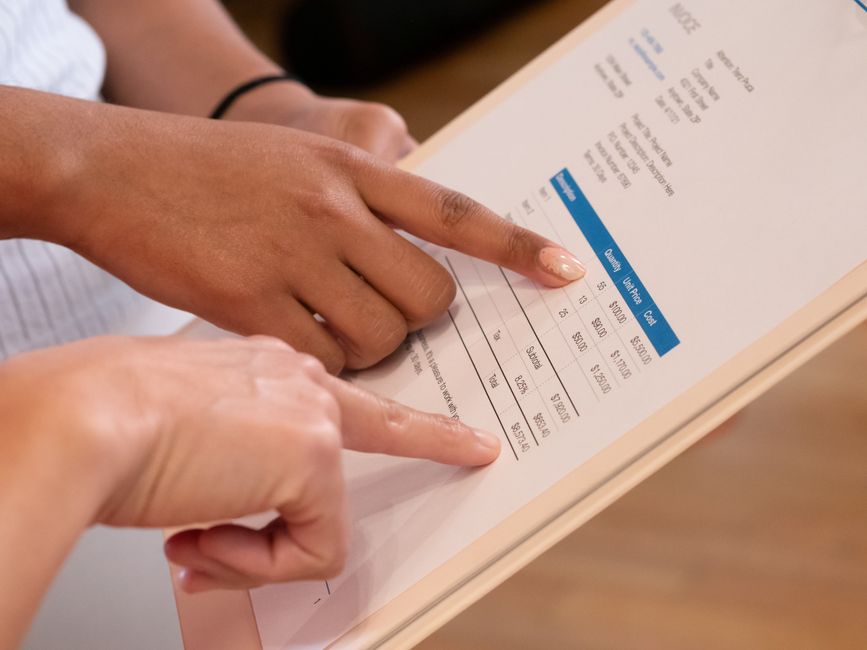
B2B online ordering platforms typically cost between $300 and $3,000 per month for SaaS solutions, or $15,000 to $50,000 and up for custom builds with enterprise integrations. The right choice depends on order volume, catalog complexity, and whether you need real-time ERP sync or custom pricing tiers.
SaaS Platform Pricing
SaaS platforms charge monthly fees based on features and transaction volume. Basic plans start around $300 to $500 per month and include a hosted storefront, customer login, and simple order forms. Mid-tier plans run $1,000 to $2,000 per month and add pricing tiers, net terms management, and basic integrations with accounting software. Enterprise plans cost $2,500 to $5,000 per month and include dedicated account management, API access, and support for high order volumes.
Some platforms add transaction fees of 1% to 3% per order on lower-tier plans. Others charge per user seat, typically $50 to $150 per month per additional login. Implementation fees for SaaS platforms range from zero for self-service setups to $5,000 for guided onboarding with data migration and training.
Custom Build Costs
Custom B2B portals cost more upfront but offer full control over features and integrations. A basic custom build with user authentication, product catalog, and checkout starts around $15,000 to $25,000. Adding real-time inventory sync with an ERP system like NetSuite or SAP pushes the cost to $30,000 to $50,000. Complex builds with multi-tier pricing, approval workflows, credit vetting integrations, and EDI connections can exceed $100,000.
Custom platforms also require ongoing maintenance, hosting, and security updates, typically costing $500 to $2,000 per month depending on traffic and feature complexity. Brands choosing custom builds usually have large catalogs, complex pricing rules, or strict data security requirements that SaaS platforms cannot meet.
Integration and Add-On Costs
Integrating a B2B platform with existing systems adds to the total cost. ERP integrations with systems like QuickBooks Enterprise, Microsoft Dynamics 365, or Katana typically cost $2,000 to $10,000 for initial setup, depending on data complexity and whether the integration is pre-built or custom. WMS integrations for real-time inventory and fulfillment sync cost similarly.
Credit vetting services like Balance, Resolve, and TreviPay charge per transaction or monthly fees based on credit volume. Payment gateway fees for credit card processing add 2.5% to 3.5% per transaction. Shipping rate calculators and label generation tools cost $50 to $200 per month depending on carrier integrations.
If you need buyer outreach, marketplace management, or phone-based sales support, services like Get Wholesale Orders handle store setup, buyer pitching, and Faire or RangeMe management as part of monthly programs that include portal buildout and ongoing lead generation.
What Drives ROI
The investment pays off when the platform reduces manual work, increases order frequency, or brings in new buyers. Brands processing 50 or more wholesale orders per month typically see ROI within six to twelve months by cutting the time staff spend on order entry, follow-up emails, and pricing errors.
A $1,500 per month SaaS platform that saves 40 hours of staff time monthly at $25 per hour breaks even immediately. A $30,000 custom build that brings in 10 new accounts averaging $5,000 per year pays for itself in the first year. Platforms with self-service reordering also increase order frequency, with some brands reporting 20% to 30% more orders from existing accounts after launch.
ROI improves faster when the platform connects to inventory and accounting systems, because real-time sync eliminates stock-outs, duplicate data entry, and fulfillment delays. Brands selling on marketplaces like Faire benefit from unified inventory across channels, reducing overselling and manual updates.
Hidden Costs to Plan For
Beyond the platform fee, budget for data migration, staff training, and buyer onboarding. Migrating product data, customer records, and pricing tiers from spreadsheets or legacy systems takes time and often requires cleanup. Expect to spend 20 to 60 hours on data prep for a typical mid-sized catalog.
Training internal staff and onboarding buyers also requires effort. Plan for at least two weeks of testing and training before launch, and budget time to contact existing accounts and walk them through the new ordering process. Some buyers will need phone support or PDF guides.
Ongoing costs include customer support, platform updates, and periodic training as features change. SaaS platforms handle updates automatically, but custom builds require developer time for bug fixes, security patches, and new feature requests. Set aside 5% to 10% of the original build cost annually for maintenance.
When the Investment Makes Sense
A B2B ordering platform makes financial sense when manual order processing costs more than the platform, or when lack of a self-service portal limits growth. If staff spend more than 30 hours per month on order entry, pricing lookups, and email follow-ups, a platform will pay for itself quickly.
The investment also makes sense when you plan to grow the wholesale channel. Platforms scale more easily than email and phone-based ordering, and buyers expect self-service portals from professional brands. Brands entering new markets or launching on wholesale marketplaces benefit from centralized inventory and order management.
Skip the platform if you process fewer than 20 orders per month and have simple pricing with no minimums or tiered discounts. In that case, a shared spreadsheet or simple order form may be enough until volume grows. Also skip it if your catalog changes constantly and requires frequent manual updates that a platform cannot automate.
Comparing Platform Options
When evaluating platforms, compare total cost of ownership over two years, not just the monthly fee. A $500 per month SaaS plan with $5,000 in setup fees and $3,000 in annual integration costs totals $20,000 over two years. A $25,000 custom build with $1,000 per month in hosting and maintenance totals $49,000 over the same period.
Also compare what each option includes. Some SaaS platforms charge extra for features like multi-currency support, custom domains, or API access. Custom builds include everything you specify upfront but cost more to change later. Look at real customer references and ask how long implementation took, what unexpected costs came up, and whether the platform reduced order processing time as promised.
Most B2B platforms launch within three to six weeks for standard implementations. Custom builds with complex integrations can take three to six months. Factor in your timeline and whether you can afford to wait, or whether you need a faster SaaS option to start taking orders sooner.
Frequently asked questions
What is the average monthly cost of a B2B ordering platform?
SaaS B2B platforms cost between $300 and $3,000 per month depending on features, order volume, and integrations. Basic plans start around $300 to $500, mid-tier plans run $1,000 to $2,000, and enterprise plans cost $2,500 to $5,000 or more.
How much does a custom B2B ordering portal cost to build?
Custom B2B portals typically cost $15,000 to $50,000 for initial development, with complex builds exceeding $100,000. Ongoing maintenance and hosting add $500 to $2,000 per month. Custom builds make sense for brands with complex pricing rules or strict integration requirements.
How long does it take to see ROI from a B2B ordering platform?
Most brands see ROI within six to twelve months. Platforms that save 40 or more staff hours per month can break even immediately, while those focused on buyer acquisition typically pay for themselves once they bring in 10 to 20 new wholesale accounts.
What are the hidden costs of implementing a B2B ordering platform?
Hidden costs include data migration and cleanup, staff training, buyer onboarding, and ongoing maintenance. Budget 20 to 60 hours for data prep, two weeks for testing and training, and 5% to 10% of the original build cost annually for updates and support.
Do B2B platforms charge transaction fees?
Some SaaS platforms charge 1% to 3% per order on lower-tier plans, while others include unlimited orders in the monthly fee. Payment processing fees for credit cards add 2.5% to 3.5% per transaction regardless of platform.